
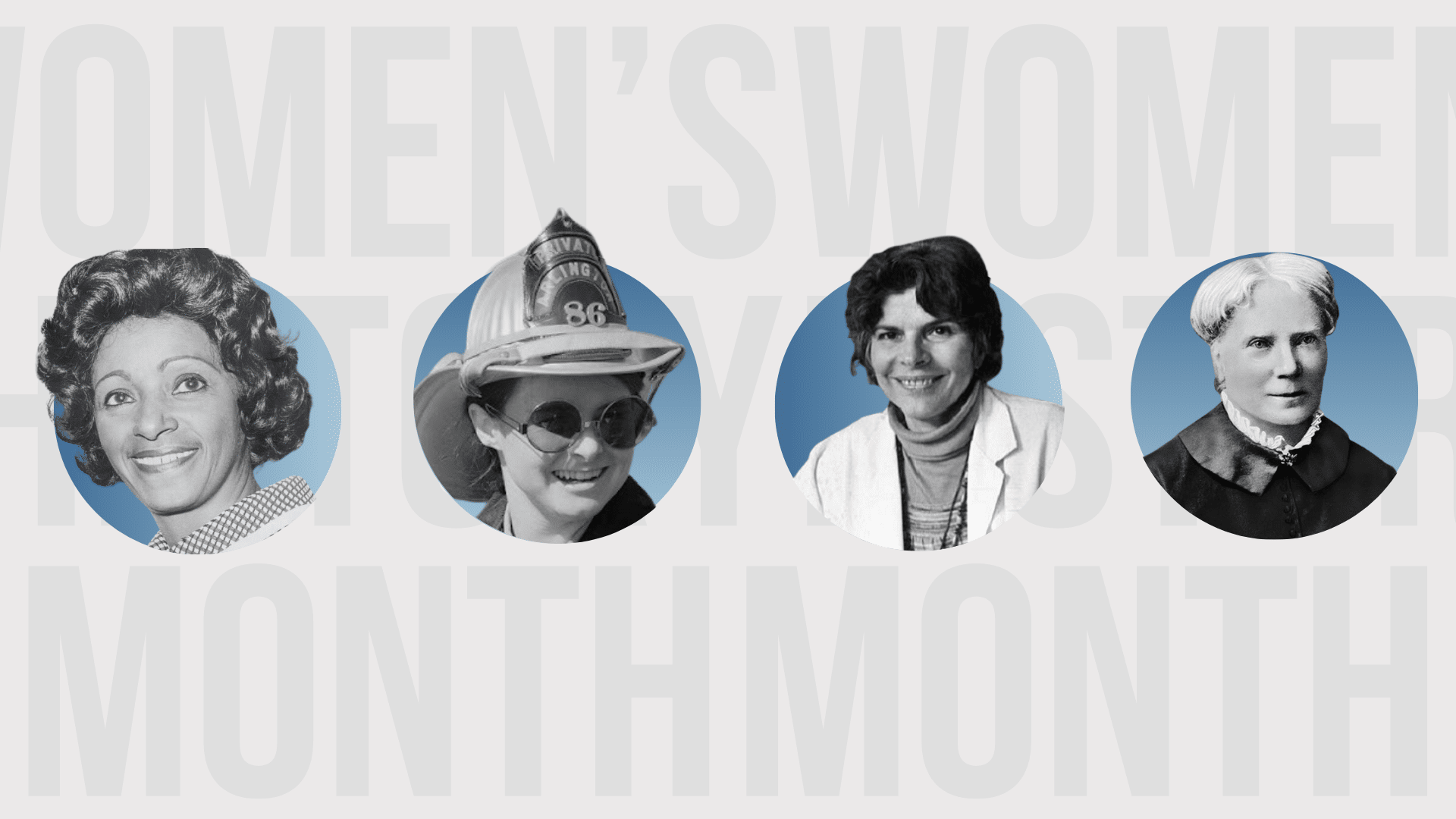
In honor of Women’s History Month, we at NPPC want to spotlight several remarkable women who made significant contributions to the public sector, broke barriers, and inspired future generations. These four trailblazers dedicated their lives to serving others—educating students, improving public health, protecting communities, and advancing medicine.
Their stories also reflect a broader truth: public service has long been a pathway for women to build meaningful careers while strengthening their communities. Over the decades, many women entered professions such as teaching, nursing, and public health—fields that were often undervalued yet essential to society’s functioning.
These four trailblazers have left an indelible mark on their respective fields, demonstrating courage, resilience, and unwavering dedication:
Elizabeth Duncan Koontz (1919-1989): Champion of Equality in Education
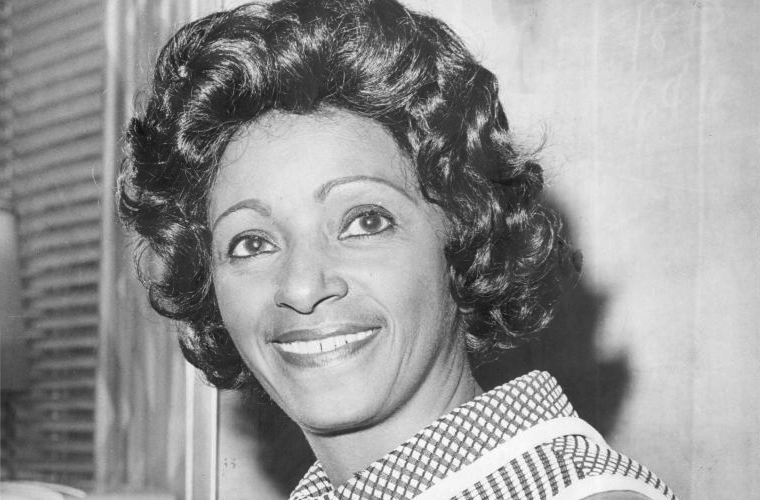
Elizabeth Duncan Koontz was a vanguard for equality in education. She was the first Black head of the National Education Association (NEA) and led the way in promoting human and civil rights within the teaching union. Her leadership was crucial to establishing the NEA’s Human and Civil Rights Division and to advocating for inclusivity and diversity in the education system. In 1969, Koontz made history again by becoming the first Black director of the U.S. Women’s Bureau, where she continued her tireless advocacy for women’s rights and equality in the workplace.
Dr. Helen Rodríguez Trías (1929-2001): Advocate for Social Justice and Public Health
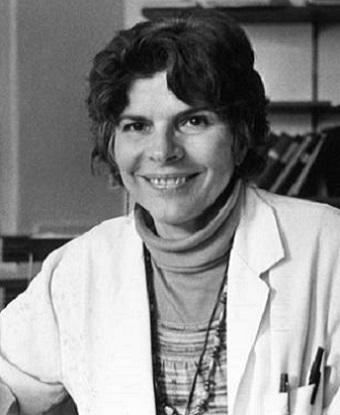
Dr. Helen Rodríguez Trías was a pioneering public health expert and women’s rights activist. She was the first Latina director of the American Public Health Association and a prominent advocate for health equity and social justice. Dr. Rodríguez Trías recognized the intersection of social and economic inequality and its impact on public health, and she tirelessly fought for marginalized communities. Her groundbreaking work led to greater inclusivity and diversity in public health initiatives, leaving a lasting impact on the field.
Judith Livers Brewer (1949): Pioneering Firefighter and Leader

In 1974, Judith Livers Brewer made history by becoming the first known woman to pursue a career in firefighting in the United States. She joined the Arlington County, Virginia, fire department, breaking gender barriers and paving the way for future generations of female firefighters. Over her 15-year career, Brewer advanced through the ranks and eventually retired as one of the country’s first female battalion chiefs. Her determination, skill, and resilience not only demonstrated that women were capable firefighters but also inspired countless others to pursue careers in male-dominated fields.
Elizabeth Blackwell, M.D. (1821-1910): America’s First Woman Doctor
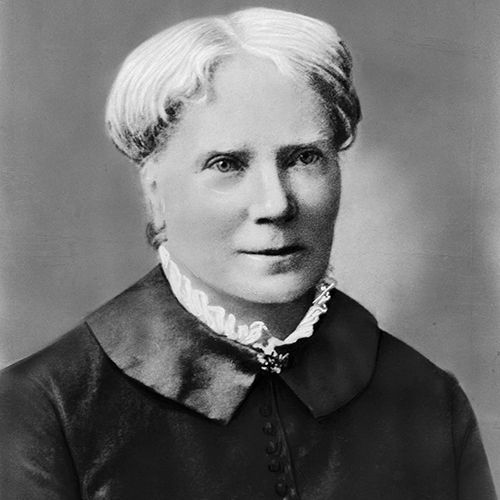
Elizabeth Blackwell, M.D., shattered stereotypes and transformed the landscape of modern medicine as the first woman to graduate from medical school in the United States. Her journey was fraught with challenges, but her steadfast determination and passion for public health propelled her forward. Dr. Blackwell dedicated her life to advancing healthcare for women, founding hospitals and medical colleges in the United States and England. Her work in preventive medicine and infection control laid the foundation for modern healthcare practices and broke down prejudicial barriers against women in medicine.
In celebrating the accomplishments of these extraordinary women, we honor their resilience, courage, and commitment to public service. Their trailblazing efforts not only transformed their respective fields but also helped expand opportunities for women across the public workforce.
Today, millions of women continue this legacy—serving as teachers, nurses, public safety officers, and countless other roles that keep our communities running. Ensuring these workers have access to secure retirement benefits is essential to honoring their service.
Public pensions remain one of the most effective tools for helping women achieve retirement security, particularly given the wage gaps and career interruptions many women still face.
As we reflect on the legacies of these trailblazers during Women’s History Month, we are reminded that supporting the public workforce—and protecting the retirement security they have earned—is key to building a more equitable and inclusive future.